
Football has always been known for its huge personalities. For decades, players have left lasting imprints on the game, becoming household names across the world. Aside from the obvious names such as Lionel Messi and Cristiano Ronaldo, football has been blessed with countless icons whose influences spread across the globe.
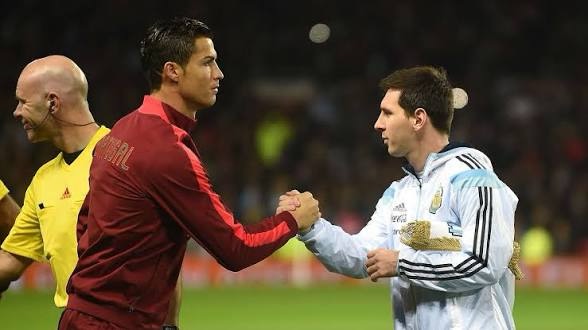
What often goes unnoticed, however, are the individuals responsible for managing these personalities week after week on the training ground.
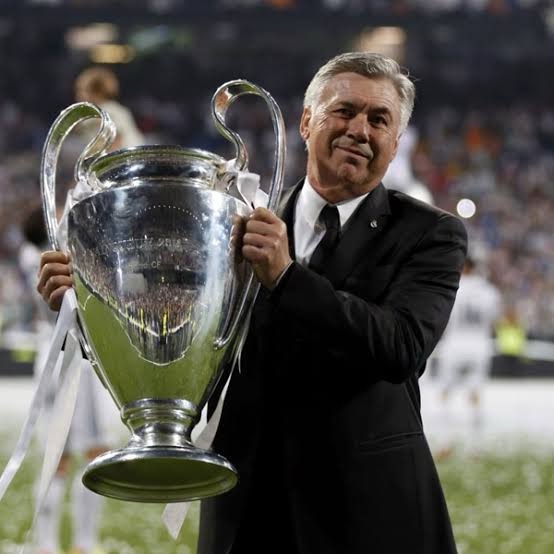
The Jose Mourinhos, Pep Guardiola’s, and Carlo Ancelottis of this world have all carried that responsibility. Unique styles, distinct backgrounds, and different personalities, yet all united by one goal. Winning.
This raises an interesting question.
Does having the title of “Manager” carry more weight than being called “head coach”?
Traditionally, a manager has been responsible for far more than what happens on match day. They oversee recruitment, help shape the culture of the club, influence long-term strategy and often have a major say in the type of players brought into the squad.
At the highest level, creating a culture within a football club is crucial. It sets standards, establishes expectations and creates an environment that incoming players must buy into immediately.
Managers have historically enjoyed the freedom to determine what sort of football their team plays, what player profiles they need and what type of characters they want surrounding the squad. In many ways, they become the face of the entire football operation.
A head coach, on the other hand, is often employed with a narrower focus. Their primary responsibility is improving players, implementing tactics and preparing the team for matches. Many coaches actually prefer this structure because it allows them to focus solely on football matters rather than becoming involved in wider club politics or recruitment decisions.
Modern football has gradually shifted towards this model.
The rise of sporting directors and recruitment departments has changed the power structure at many clubs. Talent identification has become increasingly complex and competitive, with elite clubs battling across global markets to secure the next generation of stars. As a result, many organisations now prefer recruitment decisions to be shared rather than resting entirely on one individual.
This is where the distinction between manager and head coach becomes increasingly blurred.
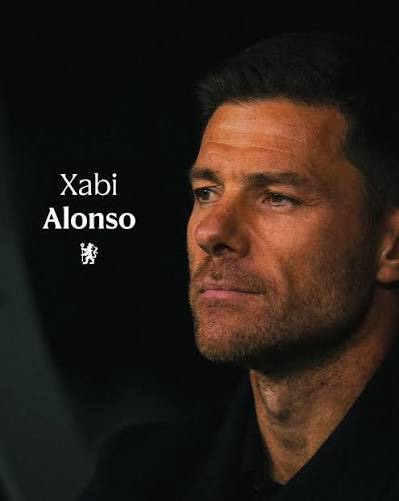
Looking at today’s game, we see examples of both titles being used among some of football’s brightest young minds. Mikel Arteta and Xabi Alonso have been given the title of manager, while Michael Carrick and Enzo Maresca have been given the title of head coaches. Yet all four are heavily involved in shaping their clubs and influencing performances.
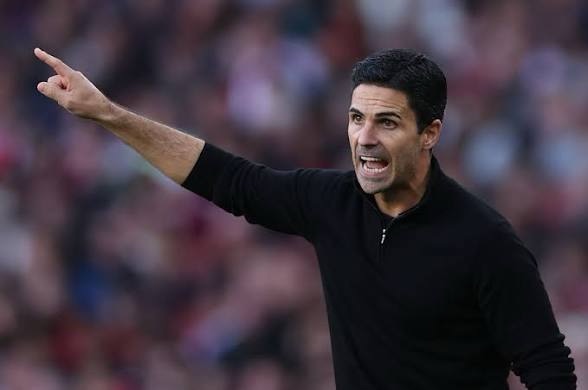
The title itself may sound different, but the responsibilities are often far more similar than they once were.
There is certainly authority attached to being called a manager. The title suggests control, leadership and accountability. However, in the modern game, sharing off-field responsibilities may actually be the smarter approach.
Football clubs have become multi-million-pound businesses. Recruitment, analytics, commercial growth and player development all demand specialist expertise. Expecting one person to oversee everything can be overwhelming, particularly if the appointment fails to inspire confidence from the outset.
Perhaps the question is no longer whether a manager is a bigger title than head coach.
Maybe the real question is whether modern football has simply outgrown the need for one person to hold all the power.






Leave a Reply