
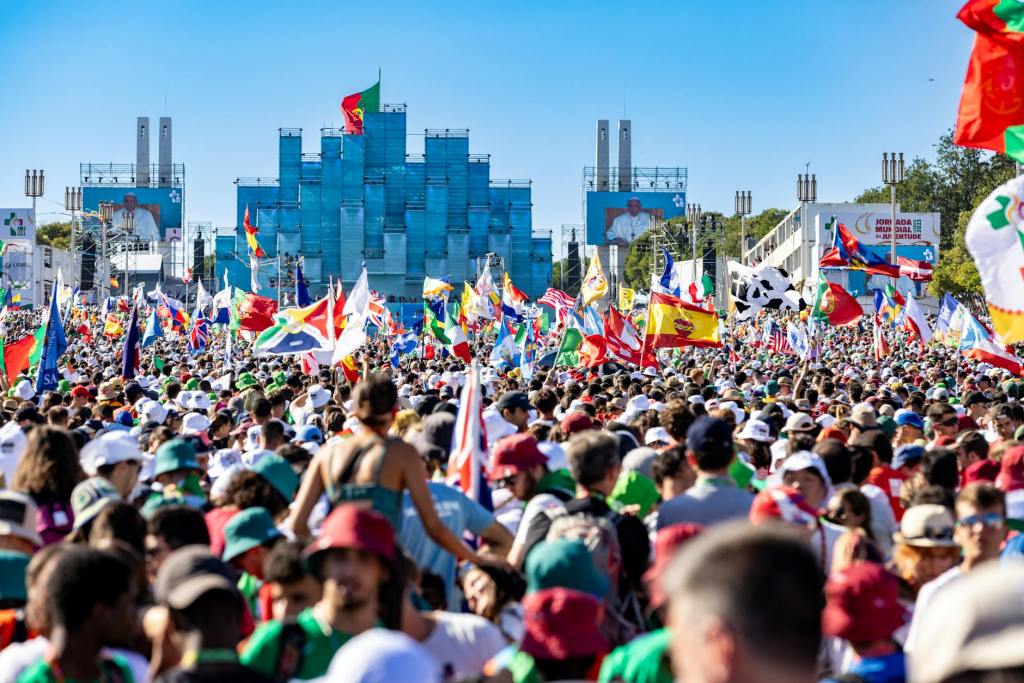
Growing up, the World Cup meant everything to me.
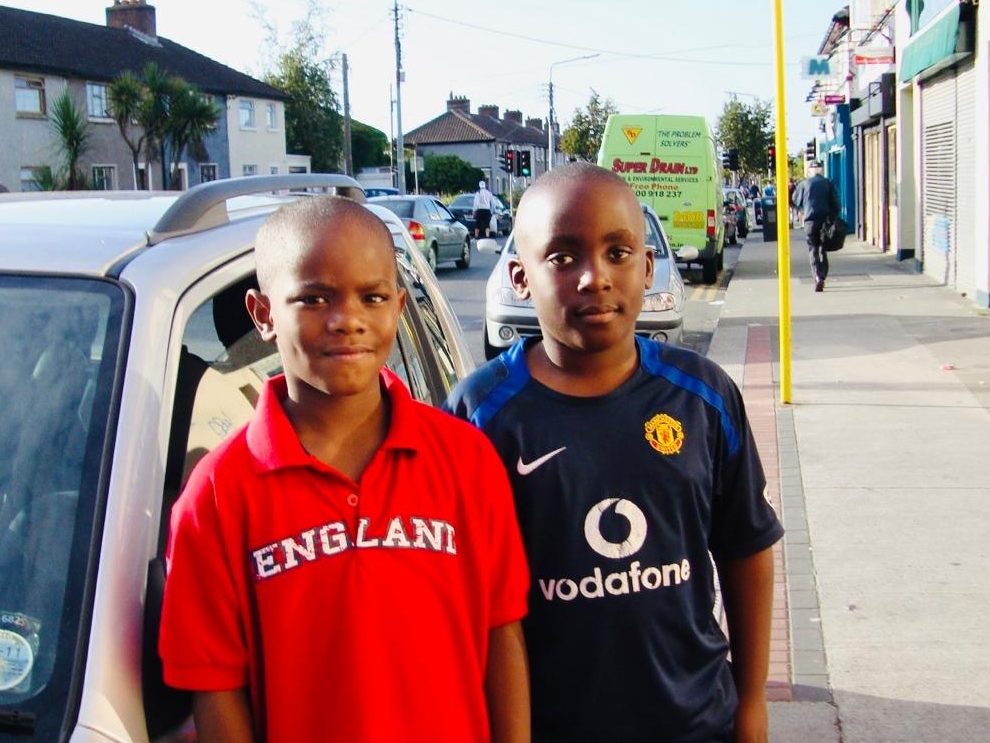
It was the one period where the world dropped everything to watch the beautiful game of football on the biggest stage. Schools, homes and entire communities became connected through moments that felt bigger than the sport itself. I remember watching goals fly in from every angle, studying players like they were superheroes and counting down the days until the next match. At that age, there was no awareness of politics, power or realities surrounding the tournament. Football was simply just football.
Until I started to grow and understand.
Now at 22 years old, I view the World Cup through a completely different lens. The excitement still exists, but so does the awareness. The older I’ve become, the harder it becomes to separate the sport I love from the political realities attached to it. The game I once innocently loved now raises questions that are impossible to ignore.
The 2022 FIFA World Cup in Qatar became a turning point for many football fans, myself included. Long before football was kicked, conversations around the tournament were dominated by reports regarding migrant worker deaths, human rights concerns and restrictions on freedom of expression. For perhaps the first time on such a global scale, politics surrounding a World Cup couldn’t just be brushed aside.
Yet despite all of this, we still watched.
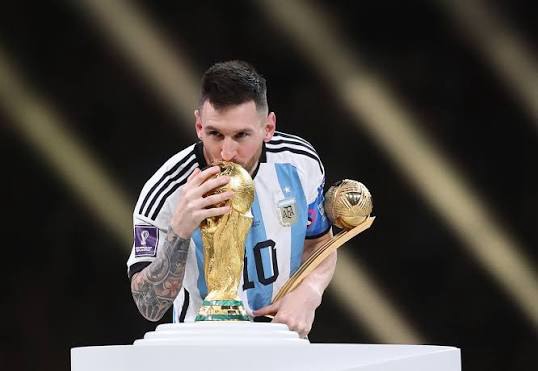
Many celebrated Lionel Messi lifting his first World Cup trophy. We debated the greatest final of all time. We praised the atmosphere, the storytelling, and the football itself. That contradiction continues to fascinate me. How can we acknowledge wrongdoings but still actively invest emotionally in this tournament?
The uncomfortable truth is that football has never existed outside of politics. Sport reflects the world around it, but shapes how nations are viewed globally. Governments and institutions understand this power, which is why major sporting events are often used to improve national image, increase influence and redirect global narratives.
This is not unique to Qatar.
The 1978 World Cup was staged during a military dictatorship in Argentina, and they used the event to project unity and stability during the period of political repression. Russia hosted the World Cup in 2018, while tensions with Western countries continued to rise politically. In each case, it was becoming obvious that football was becoming more than a sporting event; it became an instrument of image and influence.
This is where the term “sports washing” enters the conversation.
Sports washing refers to the use of sports to improve a country’s political controversies or human rights concerns. The scale of modern football makes this especially powerful. The 2022 World Cup generated billions in revenue, reached audiences across every continent and positioned Qatar at the centre of global attention for a whole month.
The frightening part is how effective it can be.
Because once the football begins, moralities become complicated. Fans become emotionally attached again. The goals, the rivalries, and the unforgettable moments slowly push political concerns aside. I experienced that conflict myself throughout the tournament. Many of us did.
Now, attention turns to the 2026 World Cup, hosted across the United States, Canada, and Mexico. But the tournament arrives under a very different political landscape. Conversations are already forming around immigration policies, political division, border control and the growing commercialisation of football itself. The expansion to 48 teams reflects how modern football continues to prioritise global reach and financial growth on an unprecedented scale.
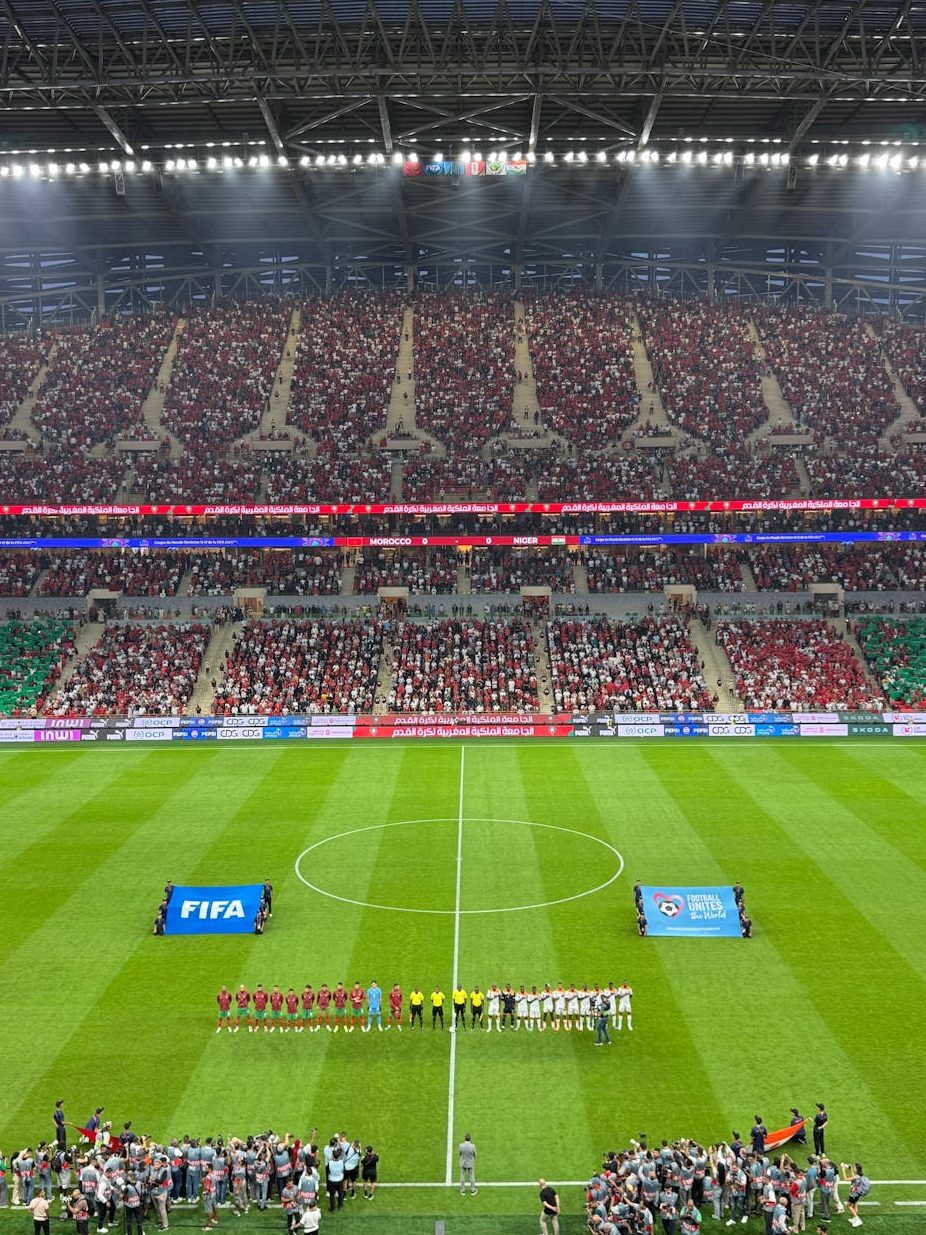
Which raises a question: Is football simply a reflection of the world we live in, or is it actively shaping the world we live in?
Personally, I believe it does both.
Football reflects society’s inequalities, conflicts, and political realities, and influences belief. Controls the narrative. It humanises nations. It creates emotional connections powerful enough to temporarily overshadow uncomfortable truths.
That does not mean fans should stop loving football altogether. I personally understand how difficult it is to balance morality with passion, as I have continuously struggled with this myself. But awareness matters. Once you begin to recognise the relationship between sport, politics, and power, it becomes impossible to view football in the same way again.
As supporters, journalists, storytellers, our responsibility is not necessarily to abandon the sport we love but to continue questioning it. To continue having uncomfortable conversations even while enjoying the game itself.
Football has never just been about football.
Maybe it never truly was.




Leave a Reply