
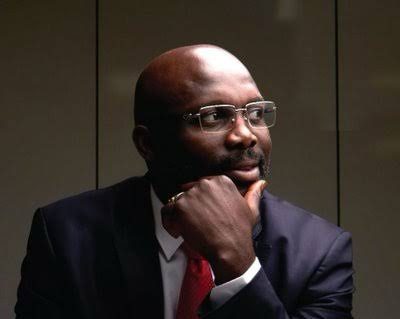
The Liberian Legend, a true icon amongst many African ballers, is the first black African man to win a Ballon d’Or. His prints will forever be left engraved in football history. From growing up in the capital of Liberia, Monrovia, in the Clara Town slums, his journey was one built on immense determination, having to play with homemade balls in the harshest conditions. A man, the great Thierry Henry, grew up idolising, which puts into perspective the type of player George Weah was.
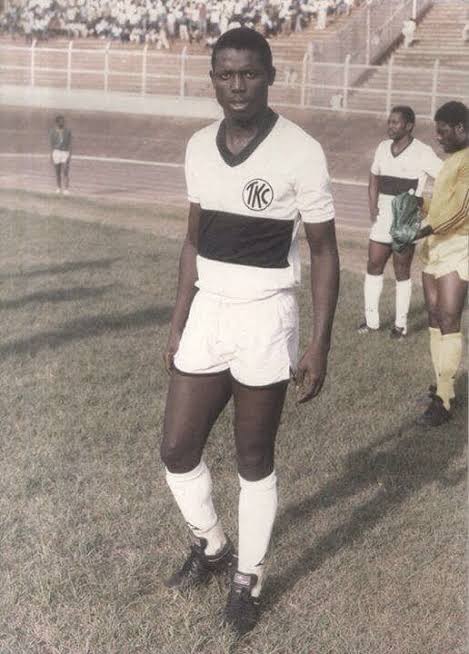
The African striker was someone who changed the play style of a typical number 9 in football. He played like a man out to prove his worth, no matter what, combining the power with elegance and the composure with hunger.
Weah wasn’t simply a striker who waited for the ball constantly demanded service from his teammates. He took the responsibility of carrying teams to victories, a one-man army. Defenders saw him and were frightened by his sheer power, combined with his technique; he repeatedly turned defence into attack, imposing himself every time the ball was at his feet. At a time when African footballers were fighting for their respect in Europe, Weah made it his mission to force them to acknowledge and respect what African football is.
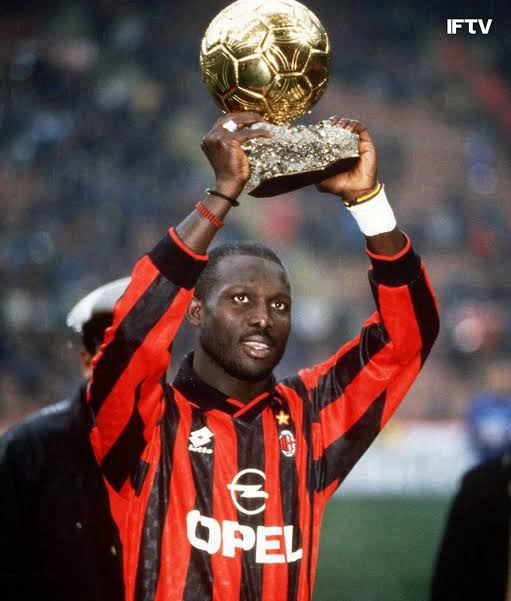
Being brought up in the streets of Monrovia, journeying to the highest levels of football is an achievement every lover of the game would fantasise about. Weah knew he was capable of living in that fantasy. After being discovered locally, he then played for Arsène Wenger’s Monaco side, a manager who very quickly noticed the unique abilities George Weah possessed at the time. His stint at Monaco earned him moves to the likes of PSG and AC Milan. The Italian club is where he made history, being the first African to ever win the Ballon d’Or. This achievement allowed a continent to rise and understand that an African can succeed at the highest level.
However, the individual brilliance did not equate to team successes with his national team. Time and time again, George Weah took it upon himself to take responsibility and lead this team, carrying a nation that had limited resources, often funding travel, kits and preparation himself, all driven by having the pride of representing his country. Although never winning an AFCON may be upsetting, his country would never forget the sacrifices made to carry on pushing his nation forward; he represented the meaning of hope.
His life after football further expanded his iconic career. Being someone who flourished in moments of pressure and massive responsibility, he transitioned into politics, taking on the role as president of Liberia, a position that symbolised one of the most unique and powerful pathways from a former football player. It’s evidence that a player’s influence on football can further reshape societies.
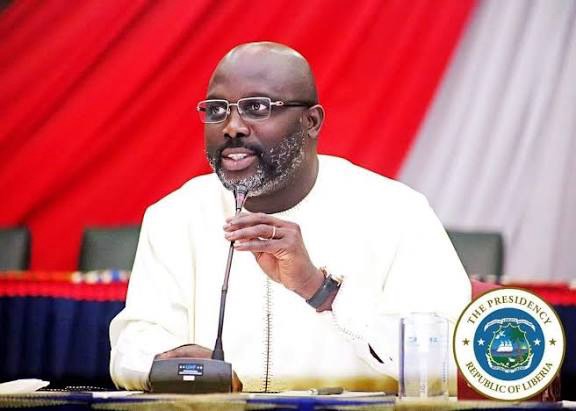
Inevitably, George Weah made sure to use his platform to invest in education, youth development and social progress, driven by the desire to give future generations the opportunities he would’ve utilised in his own upbringing. Alongside being an athlete and politician, he also has the long-standing role as a UNICEF Goodwill Ambassador, where he advocates for children’s rights, education and health across Africa. The role gave him a global voice for the most vulnerable, allowing him to speak on issues that tend to be ignored by many in power. These roles he’s taken post football mirror the principles that defined him as a player: resilience, leadership, and the unbreakable bond between his people.
Football remained in his family, with his son Timothy Weah, following the footsteps of his father, emerging as a promising prospect in Europe, to eventually represent clubs such as Juventus, Celtic and PSG. Timothy also represents the United States national team, as he was born and bred there. The comparisons to his father were always going to happen, but what people must understand is that every single player is different. Timothy’s journey represents continuity rather than replication; he carries the Weah name today with pride, knowing the history attached to it.
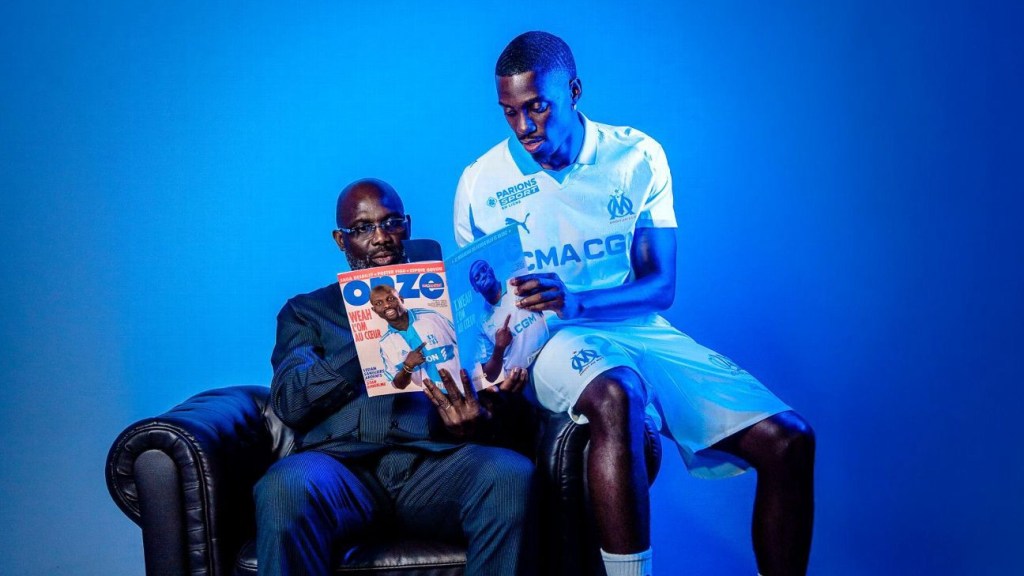
The way the legend George Weah has influenced lives outside of the game is a true inspiration. As someone who is striving to become a great sportswriter, I look at him as an example of how you carry your status to better the lives of others. In the world today, people with similar followings will not do even half of the things Weah has done for society.
For me, he epitomises true footballing excellence. He is proof that where you come from does not have to define how far you go, that in itself carries much more importance compared to personal success. To emerge from poverty all the way to the highest individual honour in football, to then use that platform to uplift a nation and inspire a continent, is something only a few athletes are capable of doing. The man he became beyond the pitch truly defines greatness. George Weah will be remembered as an African legend, a name spoken with pride and genuine reverence.



 Beyond the Pitch
Leave a reply to observant7bb273eefe Cancel reply