
All my life, sport has been something I turn to as a way of escaping real-life situations, for many it’s a place you can go to find joy and lift your week, to forget about deadlines, bills, and the general weight of the world. For me, football was a sanctuary. Ninety minutes where nothing else mattered.
Politics, however, was something I never paid attention to. I lacked any real awareness of the state of the world. I was naïve to believe that I could move through life without engaging in it. It felt distant, complicated, and unrelated to me. Sport was a passion. Politics was a distraction.
Over the past year, that illusion has slowly broken down.
It has been hard for anyone to avoid what has been occurring worldwide. Wars, corruption, scandals, leaders accused of unspeakable acts, and nations in turmoil. The people responsible for reshaping the future of millions often appear untouchable, shielded by power and influence. Children are dying. Atrocities are committed. Yet the world continues to move as if nothing has changed.
And somehow, sport continues too.
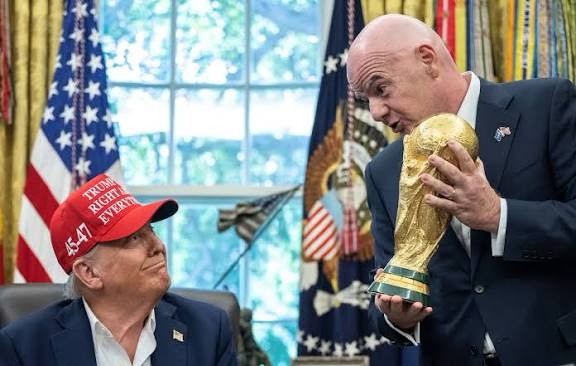
We are soon approaching a summer period where one of the biggest sporting events in the world will be hosted in a country facing intense political scrutiny and instability. Yet the spectacle will go on. The marketing campaigns will roll out. Stadiums will be packed. And the world will watch.
I may sound “silly”, but I cannot sit and watch this competition the same way anymore.
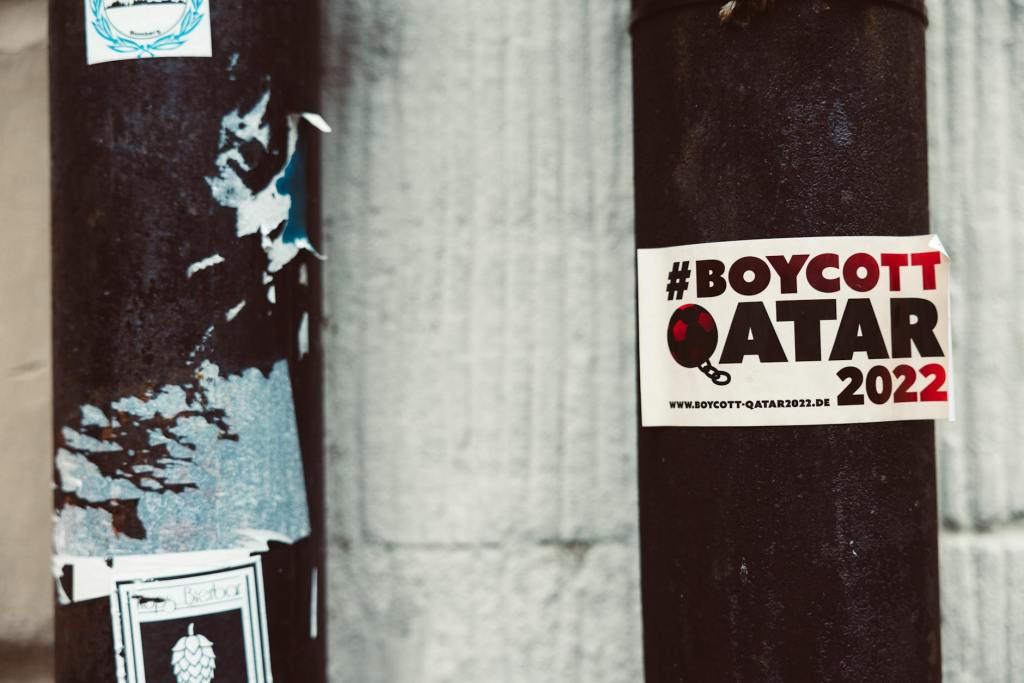
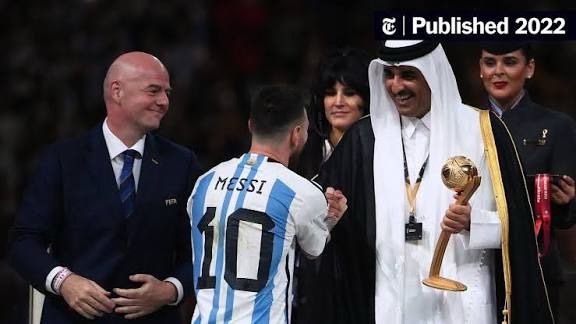
The Qatar World Cup was probably the first time I felt this internal conflict deeply. Reports of thousands of migrant workers losing their lives in the build-up to the tournament were impossible to ignore. At the time, like many others, I still watched. I celebrated goals. I debated performances.
Each time I think of this internal conflict, I ask myself, “Can I condemn injustice while still consuming the product built on it?
It’s easy to say “boycott”. But it’s much harder to follow through. And it would be hypocritical of me to pretend I’ve stood on the right side of history. I haven’t. In fact, none of us is completely detached from the systems we criticise.
What has changed for me is awareness.
Social media has amplified voices across the globe. Political conversations are no longer confined to news studios; they’re on people’s Instagram feeds, comment sections and group chats. It’s becoming impossible to say “I didn’t know.” The real question is whether this awareness will lead to change. The most important step has been made, which is the removal of ignorance.
Throughout the years, I truly believed sport and politics were never meant to be tied, immune to global tensions. I now understand sport has always been political. It’s about acquiring power. Controlling the image. It is an influence on a global stage. Hosting a tournament is never just about the sport; it’s about the reputation, narrative, and control.
Just thinking about the topic has kept me up at night on countless occasions.
What sort of world are we living in when leaders are accused of serious wrongdoing and continue to stand at podiums while stadiums are filled behind them? What does it say about us, as fans and as human beings, when we consume without questioning?
I don’t have answers. I’m not writing this from a place of moral superiority. I’m writing this from a place of discomfort. From a place of growth. From someone who once believed that politics had nothing to do with him, he is now realising that belief was a privilege.
Maybe the real issue isn’t whether we should watch or boycott. Maybe the real question is whether we can continue pretending sport is detached from the systems that shape our world.
Football was once my escape, now it’s becoming my lens. Once you see the world through that lens, it’s hard to go back.
 Beyond the Pitch
Leave a comment