
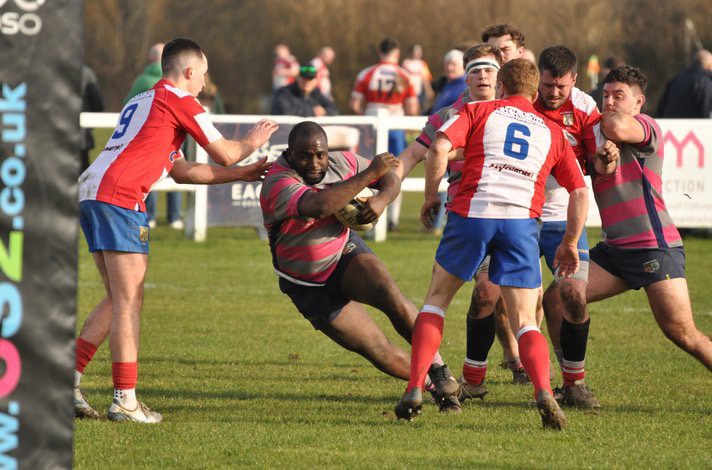
Growing up, Leonard Idiakhoa’s passions didn’t lie with rugby. No dreams of wearing county colours or lighting up stadiums using brute force. It was at 13 years old when Leonard first stepped on the rugby pitch, all due to his wanting to fit into a new environment. New school. New faces. All teenagers are in search of their place, and Leonard took this opportunity to do that.
There was no long-term plan for this newfound passion for rugby, simply a friend heading to trials and the impulsive choice to follow along. There was no prior experience in the sport, just a boy curious and eager to relate. Yet it’s these choices that tend to define the trajectory of our lives.
Following these trials was an unexpected outcome.
The coach pulled Leonard to the side to give him overwhelming support, giving him positive feedback on his performance. Something as simple as encouragement will do a world of good for a young man trying to find his footing in sport. This led to his first game. Man of the match. A feeling so surreal to him, after only playing football before, struggling to stand out amongst his peers. For the first time, it felt like he didn’t have to chase the sport. It chose him.
“I remember thinking, maybe I’m actually good at this,” Leonard recalls.
That feeling of recognition holds so much weight. It’s a spark of belief, a realisation that there’s something to finally commit to.
Growing up in Ireland was and is a part of the culture; it was part of everyday life. Whether it was football, rugby, or GAA (Gaelic Athletic Association), sport always shaped routines, friendships, and identity. When Leonard watched older players represent their local community or schools, it gradually made him understand that there’s much more to just playing. It’s about pride. Standing for something more than yourself meant more than anything.
Before secondary school, Leonard’s social circle was all football. Rugby was never the obvious choice. But school changed that. The coaches became people he still holds in an important place in his life now, instilling values not all sports coaches do at their age, discipline, respect and accountability. Going into games wearing the school badge carried responsibility. This environment nurtured Leonard’s mentality just as much as his physical ability.
Off the pitch, Leonard was quiet and composed, reserved almost. Was always competitive but struggled to put that energy into something. Rugby provided that direction to channel that energy. Giving it structure, purpose and the chance to improve his game. Leonard learned that effort matters just as much as talent; regardless of your role in the team, it will always have value. Time went by, confidence replaced the hesitation, and leadership replaced the silence.
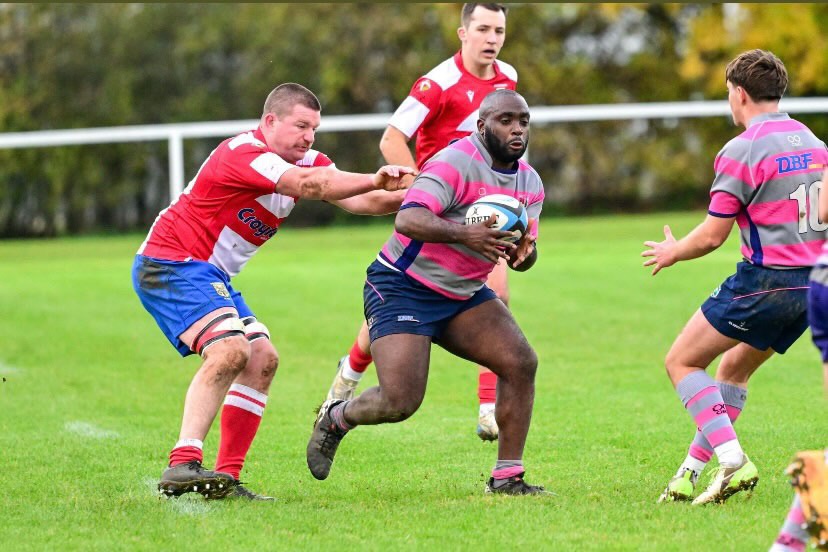
“I learned that you don’t need to be the loudest voice to lead,” he says. “You just need to show up and do your job.”
Leonard’s journey in rugby slowly became a way of just fitting in, to eventually unveiling who he truly is.
As he settled down in London, rugby played more of a role in his life; he used it as a way of grounding himself in unfamiliar surroundings.
“A bit of both,” he says when posed the question of whether rugby helped him settle in or felt like a reset. “Rugby made school and life in England easier because sport always gives you something in common with people. It helped me make friends and feel part of a team.”
However, the feeling of belonging didn’t come without challenges. Moving systems meant he had to adjust to what his life had been prior to the move. “I did feel like I was starting from zero, with new coaches, new systems, and new expectations. Coming from a school that was heavily focused on sport to one in England where it wasn’t as much of a priority made the adjustment even harder.”
Finding the balance between comfort and discomfort was becoming a regular theme. Rugby offered familiarity, but nothing was guaranteed. Each session demanded adaptation and patience.
His journey continued, alongside the internal questions. Leonard found himself navigating more than just performance levels. Identity became something he had to confront.
“Yeah, definitely,” he admits when asked about feeling caught in between identities. “I had the Irish and Nigerian culture I grew up with, and the English environment I moved into. When you’re not fully one or the other, and you’re trying to figure out where you can fit in, it can be difficult.”
Rugby acted as something he could hold onto, some consistency in his life. “Rugby helped a lot because it gave me consistency, but I still had moments where I felt caught between both identities.”
Those moments shaped the way he played and how he viewed himself within the sport. For Leonard, rugby was used as a way to understand his place on and off the pitch.
When Leonard received the reassurance that he has the ability to take this sport seriously was a huge impact on him. “After those first trials and games, people kept telling me I had potential, and that wasn’t something I was used to hearing in sport.”
That affirmation he received altered his perspective. “When you’re young and suddenly good at something you barely knew about, it gets your attention. I remember thinking, maybe this isn’t just a fun after-school thing, and I can actually go somewhere with this.”
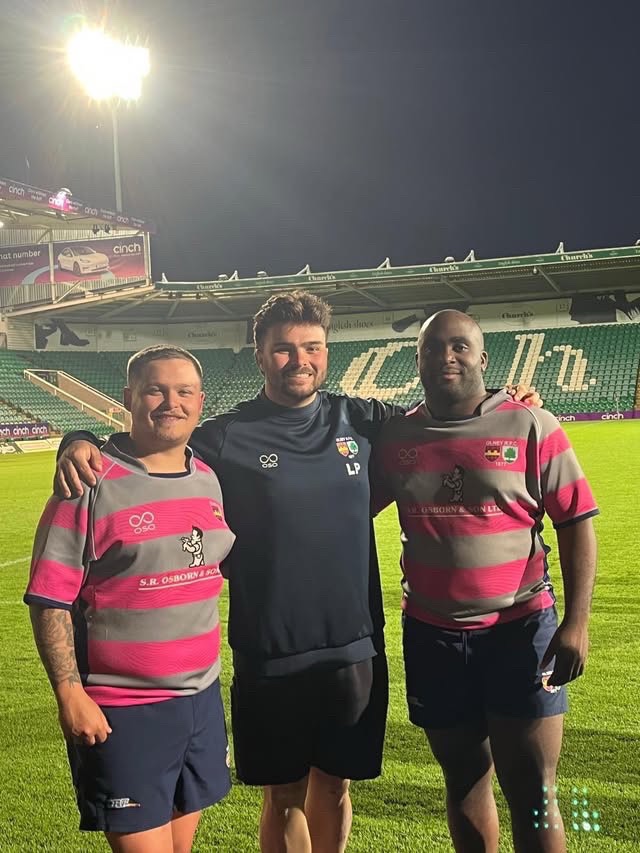
Yet this belief alone wasn’t enough. The seriousness followed once he saw what was needed to progress in the sport. “I realised how much work the better players were putting in, training, studying the game, looking after themselves. That made me step up, too.” Family played its part as well. “My little brother was heavily into sports, and that pushed me as well.”
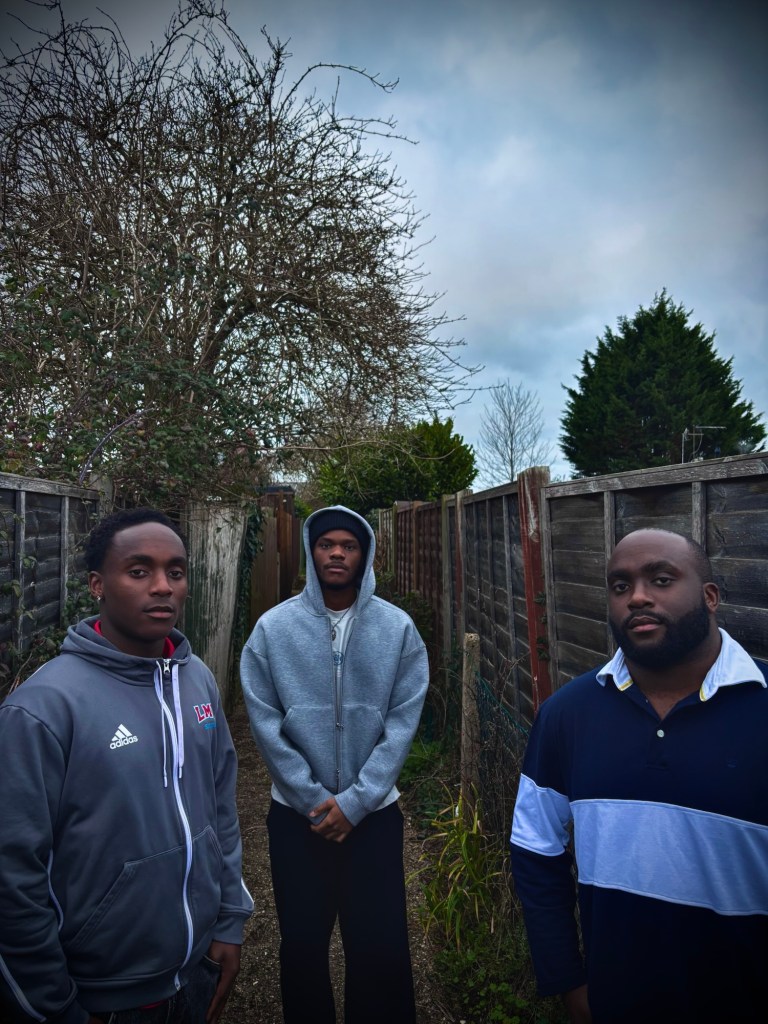
Leonard now stands in a spot where past experiences continue to influence present decisions. His story is an accumulation of lessons rather than a destination. The discovery of identity alongside the search for belonging. Rugby gave him the platform to build up his confidence. Leonard is still navigating where sport fits into his life currently; the journey is still unfolding and will continue to give Leonard hurdles to overcome.


 Beyond the Pitch
Leave a comment