

In the modern game of football, the elite teams like Manchester City, Real Madrid, Chelsea, and Barcelona are some of the biggest examples of spending big and using youth at the highest level, whilst still being successful. Being able to balance the two strategies will ultimately define the long-term identity of the club and its success. We take a look at some of the most relevant clubs in Europe and see what their strategy is.
Chelsea
The 2003 takeover of Chelsea Football Club was the start of a long, successful tenure of the club winning multiple titles. This stemmed from the Chelsea owner at the time, Roman Abramovic, and his ambition to ‘’buy big and win now, which at the time proved to be very effective as no other club was able to match the club’s spending.
However, as time went on the strategy was not proving to be as effective seeing as more teams were able to spend too and Chelsea seemingly ran into FFP issues which meant they were hit with a ban leading up to the 19/20 premier league season, this was a season where Chelsea were essentially forced to turn to the youth talents after seeing a few big names which meant talents like Tammy Abraham, Mason Mount, Fikayo Tomori and Reece James became first team starters for Chelsea in their first season in the Premier League. This proved to be a very successful season at the club as they finished in the top 4 of the Premier League, reached the round of 16s in the Champions League, and got to the FA Cup final.
Manchester City
The Blues in Manchester followed a similar path to their Premier League rivals when they were taken over by the Abu Dhabi Group in 2008 and had just the same amount of ambition as Chelsea when it came down to spending money on top talents. However, they did take a different approach to it as they were heavily focusing on making sure the infrastructure was right, so they will eventually be a club that consistently wins the biggest titles. Once Manchester City were able to bring in the top talents like David Silva and Kevin De Bruyne, they were eventually able to close the gap to the giants in the Premier League and even overtake their successes.
Real Madrid
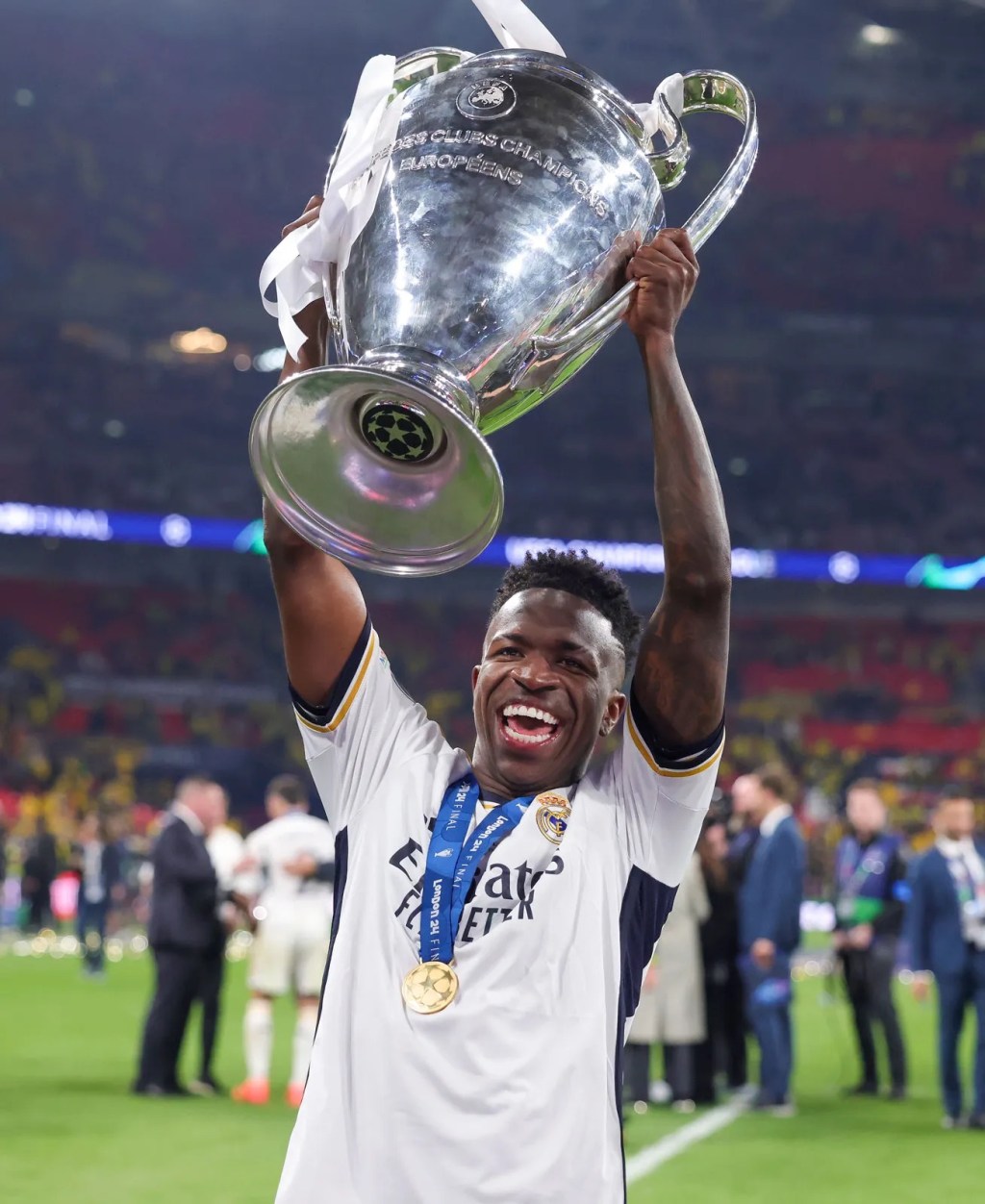
The ‘Galacticos’ are notorious for investing heavily in superstars over the past decades, notably under their president Florentino Pérez. The acquisition of arguably their biggest legend, Cristiano Ronaldo, who had already won a Ballon d’Or for Manchester United, is enough alone to say their policy works for them, as in that same window, they brought in another Ballon d’Or winner in Kaká, who was signed from Milan. They also invested in a talented 21-year-old center forward at the time named Karim Benzema, who was showcasing his ability for his home club, Olympique de Lyon, in Ligue 1.
Barcelona
Barcelona has managed to produce some of the best players in the game from their academy, namely Lionel Messi, Xavi, Puyol, Sergio Busquets, which shaped an era of dominance for the club. Despite the strength of Barcelona’s Academy ‘La Masia’, they have never really shied away from spending big; they have made many high-profile signings like Neymar or Ousmane Dembele as they have attempted to aspire for the biggest titles. However, the results of their spending big have come with mixed results, as there have been many that haven’t lived up to that price tag.
The appeal of big money transfers
The clubs with heavy financial power do not just go out to splash money on the players with the biggest names, but they also tend to look at the commercial aspect of the player to see if they reach an audience that will boost the revenue for the club with other forms of income, such as shirt sales. The biggest example of this would be the recent transfer of Kylian Mbappé. While he moved to Madrid on a free transfer, he is on a 15 million euros per year contract and had a 150 million euros sign-on bonus, which is hardly cheap. However, when you look at how global a superstar Kylian Mbappé is, they would easily be able to make the money back through other means, such as from shirt sales, as in fact, on the first day of his No.9 kit being released, Real Madrid made 800,000 euros.
Benefits of utilising Youth Academy Products
At the highest level of football, you must be able to perform for these big clubs, seeing as their ambitions are to win consistently. At a very demanding club such as Barcelona, they have managed to rebuild themselves thanks to the likes of Gavi, Hector Fort, Pau Cubarsi, and Marc Casado.
For Chelsea, one of their biggest Legends, John Terry, came from the academy and was a main figure for that team. He became captain for the club and stayed from 2004 until 2017. He is now considered one of the greatest captains in Premier League history.
Conclusion
These examples show that when you nurture the talents you have at your disposal, they tend to understand the culture of the club and what is required of them week in and week out when playing. Of course, you will be able to find players elsewhere to bring in that can show that same feature, but when they come from the club’s academy, it means more, and it is a platform for other players in the future who want to follow in their footsteps.



 Beyond the Pitch
Leave a comment